Research Areas and Publications
Janet McIntosh’s research, conducted primarily in Kenya and the United States, has spanned the domains of linguistics (language, meaning and society); militarism, violence, and right-wing studies; ethnic and racial relations (with a focus on colonial and post-colonial contexts); and religion and ritual.
She is a member of the Editorial Board of the Oxford Studies in the Anthropology of Language series for Oxford University Press, on the Editorial Advisory Board of Anthropology News, and on the Editorial Board of Anthropology & Humanism. Past Editorial Boards have included Cultural Anthropology; HAU: Journal of Ethnographic Theory; Journal of Religion in Africa, and Brill’s African Social Studies book series. She has served as a reviewer for grants and fellowships at the NSF, the NEH, the SSRC, and the ACLS; as a jury member for book prizes (including those of the Society for Linguistic Anthropology and the Society for the Anthropology of Religion); and as an external reviewer for promotions at over twenty-five universities, while reviewing manuscripts for over forty university presses and journals.
PDFs of most of the work listed below can be found at the following websites:
Language, Meaning, & Society
Janet McIntosh is widely recognized for her work in linguistic anthropology. Through long-term ethnography, interviews, and the analysis of texts and media materials, her work has extensively explored the way that language and non-linguistic signs shape the realities of and the emotions surrounding religious experience, ethnicity and race, colonialism, political conservatism, militarism, and other forms of violence. Her theoretical topics have included the study of language and thought, language ideology, stance, code-switching, participation roles, essentialism, and beyond. Additionally, she often generates her own concepts that emerge from what “the data” (the phenomena in the world) seem to be asking for.
Professor McIntosh has published two major volumes in linguistic anthropology. The first, co-edited with Norma Mendoza-Denton, is Language in the Trump Era: Scandals and Emergencies (2020), to which she contributed four chapters, including the introduction. The second is the solo-authored Kill Talk: Language and Military Necropolitics (2025).
Beyond these books, McIntosh’s writings in linguistic and semiotic anthropology include the articles and chapters listed below. Some examples of her topics: McIntosh’s 2010 article “Mobile Phones and Mipoho’s Prophecy,” the first linguistic analysis of text-messaging in Africa, has been influential in the study of identity and emerging technologies. Her article “Listening versus Lingwashing” (2018) explores white South Africans’ shifting attitudes toward southern African click languages, ranging from the colonial insistence that they were “animalistic” to the contemporary liberal trend of fetishizing clicks as “beautiful” and even “sexy.” And in “The Sinister Signs of QAnon” (2022), McIntosh examines how some Americans on the alt-right felt empowered by the semiotic code-cracking encouraged by “Q”’s social media posts.
McIntosh’s further writings on linguistics and semiotics include the following:
(In press). “Language and Necropolitics,” with Gerald Roche, in the Routledge Handbook of Necropolitics.
(In press). “Religious Language.” For the IPrA Handbook of Pragmatics, eds. Frank Brisard, Pedro Gras, Sigurd D’hondt, and Mieke Vandenbroucke. John Benjamins Publishing Company.
(In press). “Paradoxes of Listening in the United States Marine Corps,” In Explorations in the Ethnography of Listening, eds. James Slotta and Xochitl Marsilli-Vargas. University of Toronto Press.
2026. “The Uncanny Magic of Bomb Mail: Cosmopolitan Militarism and Why Writing on Munitions is Compelling.” Signs and Society. 14(3).
2026. “When Cruelty Seems Like a Joke.” CounterPunch, Feb 18, 2026.
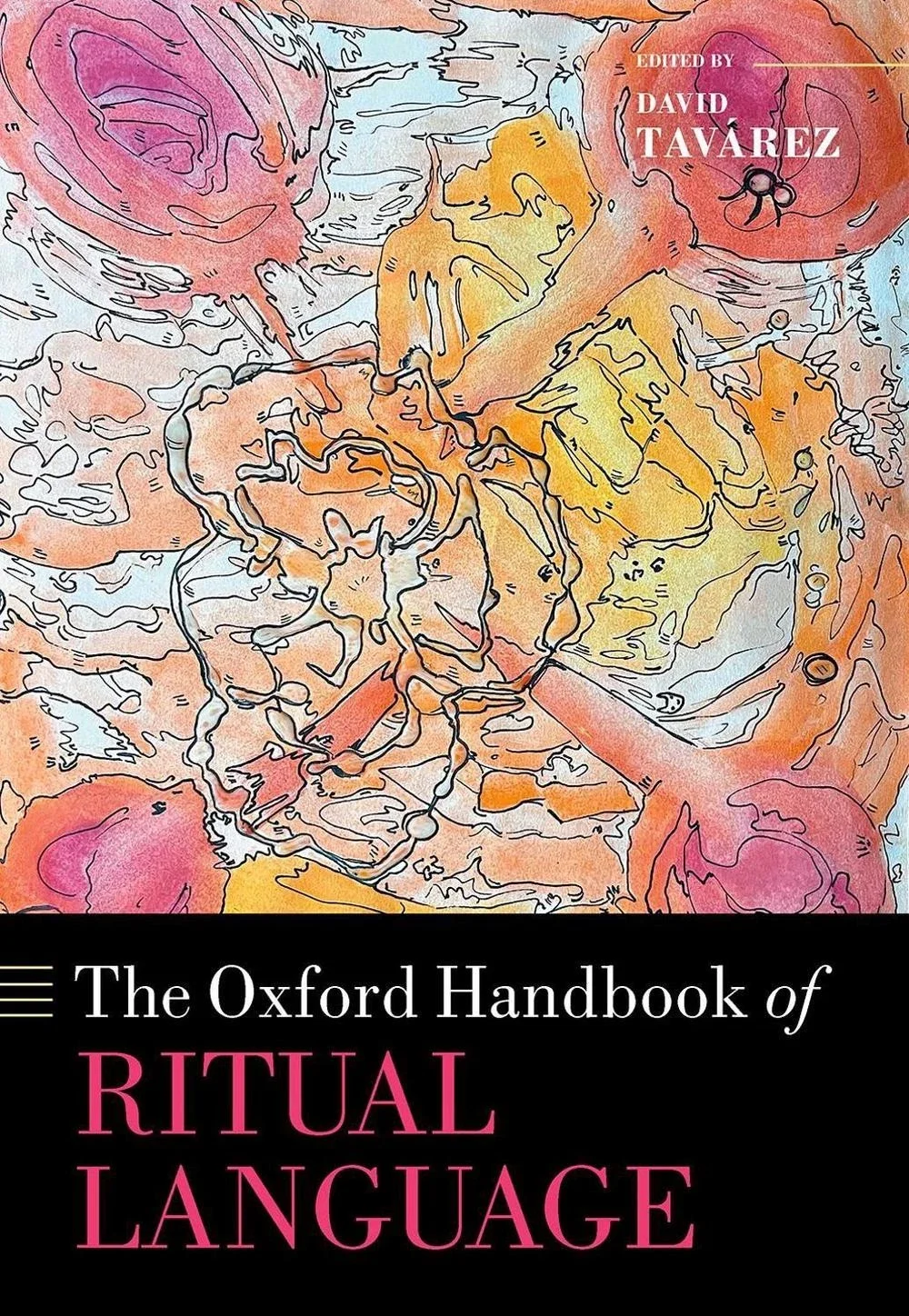
2025. “The Ritual Language of Militarization.” The Oxford Handbook of Ritual Language, ed. David Tavárez. Oxford University Press. Pp. 102-124.
2024. “Generics and Essentialism,” in “A book forum on Scott Maclochlainn, The Copy Generic (University of Chicago Press, 2022)”, History and Anthropology,
2022. “‘Let’s Go Brandon’: On the Mutable Power of Semiotic Peek-a-boo.” Anthropology News. 63(4): 14-18.
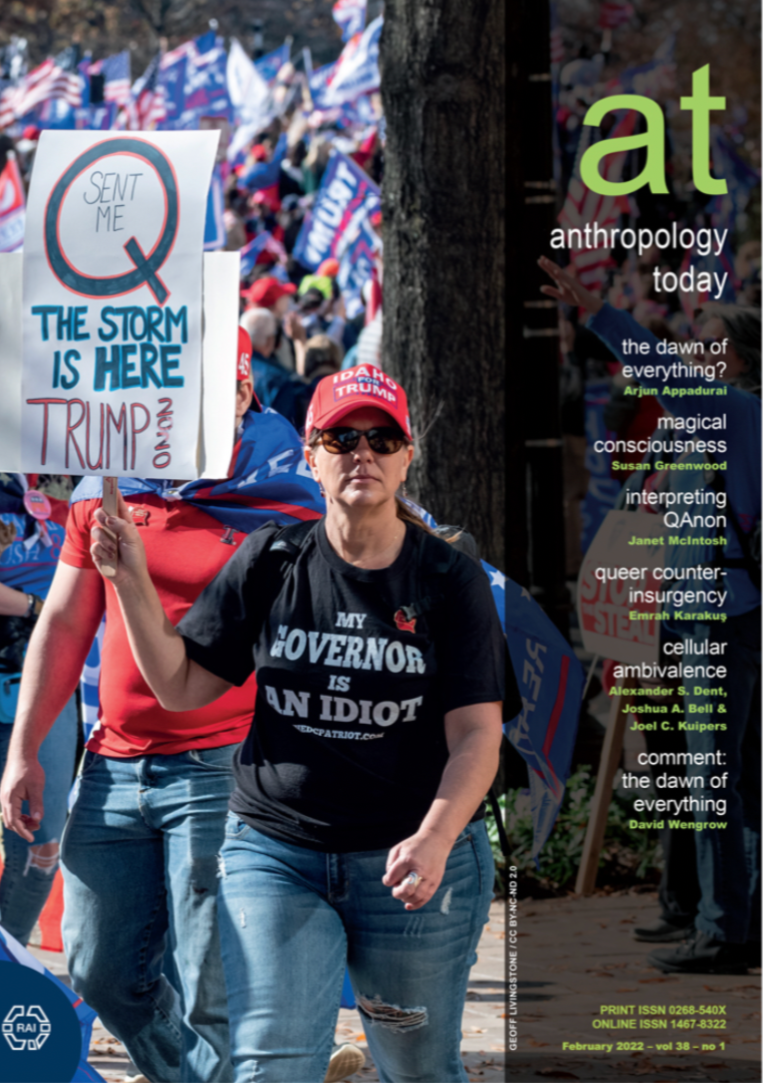
2022. “The Sinister Signs of QAnon: Interpretive Agency and Paranoid Truths in Alt-right Oracles.”Anthropology Today. 38(1): 8-12.
2021. “Language and the Military: Necropolitical Legitimation, Embodied Semiotics, and Ineffable Suffering.” Annual Review of Anthropology. 50: 241-58.
2021. “Alt-Signaling: Fascistic Communication and the Power of Subterranean Style.” Hot Spots, Fieldsights, April 15.
2021. “‘Because It’s Easier to Kill That Way’: Dehumanizing Epithets, Militarized Subjectivity, and American Necropolitics.” Language in Society. 50: 583-603.
2020. “Whiteness and Language.” The International Encyclopedia of Linguistic Anthropology. John Wiley & Sons. 1-11.
2020. “Maledictive Language: Obscenity and Taboo Words.” The International Encyclopedia of Linguistic Anthropology. John Wiley & Sons. 1-9.
2019. “Emotion and Metalanguage.” Chapter 15 in Handbook of Language and Emotion, eds. Janina Fenigsen, James M. Wilce, and Sonya E. Pritzker. Taylor & Francis/Routledge. Pp. 258-272.
2018. “Listening vs Lingwashing: Promise, Peril, and Structural Oblivion when White South Africans Learn Indigenous African Languages.” Signs and Society. 6(3): 475-503.
2018. “Essentialism.” International Encyclopedia of Anthropology. Wiley-Blackwell. Ed. Hilary Callan.
2018. “Person, Self, and Individual.” International Encyclopedia of Anthropology. Wiley-Blackwell. Ed. Hilary Callan.
2017. “Plural Semiotic Visions on the Swahili Coast.” In World on the Horizon: Swahili Arts across the Indian Ocean, eds. Allison Purpura and Prita Meier, eds. University of Washington Press. Pp. 188-201.
2014. “Linguistic Atonement: Penitence and Privilege in White Kenyan Language Ideologies,” Anthropological Quarterly. 87(4): 1159-1193.
2010. “Mobile Phones and Mipoho’s Prophecy: The Powers and Dangers of Flying Language.” American Ethnologist. 37(2): 337-353.
2009. “Stance and Distance: Ontological Doubt and Social Boundaries in White Kenyan Narratives about the African Occult” in Alexandra Jaffe, ed. Stance: Sociolinguistic Perspectives. Oxford University Press. Pp. 72-91.
2005. “Baptismal Essentialisms: Giriama Code Choice and the Reification of Ethnoreligious Boundaries.” Journal of Linguistic Anthropology. 15(2): 151-170.
2005. “Liminal Meanings: Sexually Charged Giriama Funerary Ritual and Unsettled Participant Frameworks.” Language and Communication. 25: 39-60.
2005. “Language Essentialism and Social Hierarchies among Giriama and Swahili.” Journal of Pragmatics. 37(12): 1919-1944.
2002. “Cracking Codes and Speaking in Tongues: Language, Gender, and Power in Two Kenyan Divination Rituals.” Gendered Practices in Language. Ed. S. Benor, M. Rose, D. Sharma, J. Sweetland, Q. Zhang. Stanford, CA: CSLI Publications. Pp. 151-173.
1998. “Symbolism, Cognition, and Political Orders.” Science and Society. 62 (4): 557-568.
Militarism, Violence, and Right-Wing Studies
Professor McIntosh has long been interested in the way human beings can be conditioned to take seemingly inhumane actions. She has conducted extensive fieldwork on United States military veterans to understand how feeling, thinking, and action can be bent away from empathy and towards aggression. She has also written about the emotional logic of those who support far-right causes.
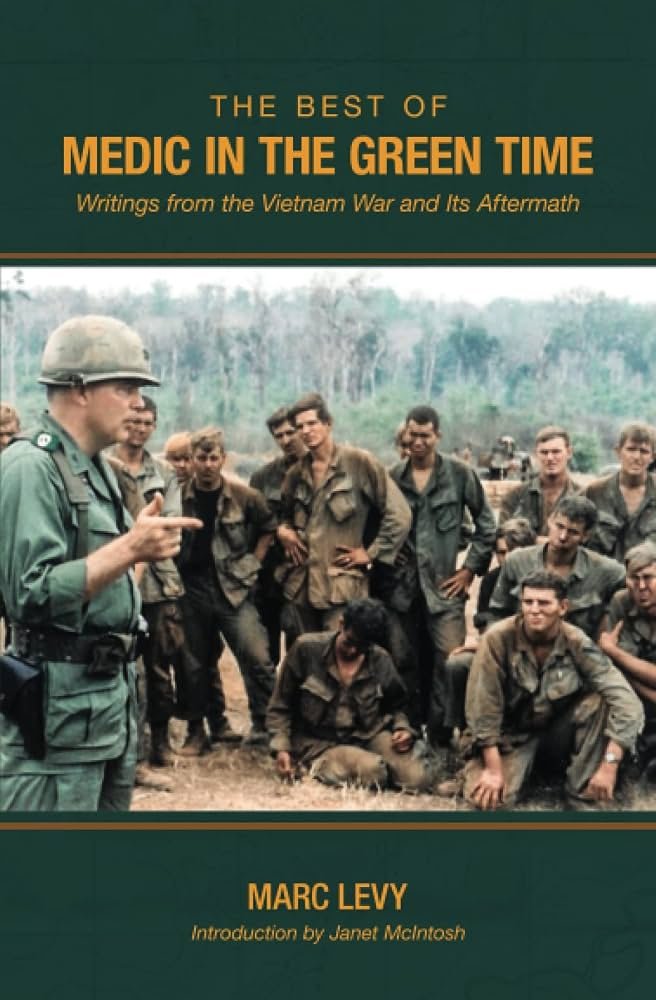
In 2025, Professor McIntosh published the book Kill Talk: Language and Military Necropolitics, which has been widely assigned in linguistic, psychological, and political anthropology classes. Her co-edited volume Language in the Trump Era (2020) includes chapters about how Trump and some of his followers have embraced a harsh in-group/out-group mentality that encourages violence and hostility. Her theory of “semiotic callousing” is a particularly well-cited new concept from the book. McIntosh was also honored to write the Introduction to Vietnam veteran Marc Levy’s book Medic in the Green Time: Writings from the Vietnam War and its Aftermath (2020).
In other articles and chapters, McIntosh’s topics have included the following. In “The Uncanny Magic of Bomb Mail” (2026), she explores what she calls the “cosmopolitan militarism” involved in contemporary inscriptions on bombs and shells, a dynamic that magically merges writing, violence, and the personhood of those who pay for such inscriptions over social media. In “When Cruelty Seems Like a Joke” (2026), McIntosh extends her theory of cruel humor in the military (which she calls “frame perversion”) to the dehumanizing jokes made by ICE and the governmental figures who support ICE’s aggressive and sometimes deadly treatment of immigrants. In “From Pajama Boy to Pepe the Frog” (2025), she explores variations on the theme of right-wing masculinity, from the hyper-physical and aggressive to the physically decrepit but ironic and nihilistic.
McIntosh's writings about militarism, violence, and right-wing studies also include the articles and chapters below. (Some of her work on whiteness in the next section on Ethnic and Racial Relations also speaks to social conservatism.)
(In progress). “On Cruel Humor and Petty Sovereignty.” Limn.
(In press). “Paradoxes of Listening in the United States Marine Corps,” In Explorations in the Ethnography of Listening, eds. James Slotta and Xochitl Marsilli-Vargas. University of Toronto Press.
(In press). “Language and Necropolitics,” with Gerald Roche, in the Routledge Handbook of Necropolitics.
2026. “The Uncanny Magic of Bomb Mail: Cosmopolitan Militarism and Why Writing on Munitions is Compelling,” Signs and Society 14(3).
2026. “When Cruelty Seems Like a Joke.” CounterPunch, Feb 18, 2026.
2025. “From Pajama Boy to Pepe the Frog: Power, Essentialism, and the Nation-State in the Manosphere,” The Journal of Right-Wing Studies 2(2): 188-205.
2023. “Right-Wing Studies: A Roundtable on the State of the Field.” Invited contribution to the inaugural issue of The Journal of Right-Wing Studies, Vol. 1, Issue Zero: 7-9.
2022. “‘Let’s Go Brandon’: On the Mutable Power of Semiotic Peek-a-boo.” Anthropology News. 63(4): 14-18.
2022. “The Sinister Signs of QAnon: Interpretive Agency and Paranoid Truths in Alt-right Oracles.” Anthropology Today 38(1): 8-12.
2021. “Language and the Military: Necropolitical Legitimation, Embodied Semiotics, and Ineffable Suffering.” Annual Review of Anthropology 50: 241-58.
2021. “Alt-Signaling: Fascistic Communication and the Power of Subterranean Style.” 2021. Hot Spots, Fieldsights, April 15.
2021. “‘Because It’s Easier to Kill That Way’: Dehumanizing Epithets, Militarized Subjectivity, and American Necropolitics.” Language in Society 50: 583-603.
2020. “Introduction: The Mud in Those Letters.” Introduction to Medic in the Green Time: Experiences from the Vietnam War and its Aftermath, by Marc Levy. Salem: Winter Street Press. Pp. ix-xxv.
2020. Chapters titled “Introduction: A Linguistic Emergency,” “Crybabies and Snowflakes,” “Collusion: On Playing Along with the President,” and “Language and Trump’s White Nationalist Strongman Politics.” In Language in the Trump Era: Scandals and Emergencies. Eds. Janet McIntosh and Norma Mendoza-Denton. Cambridge University Press.
2004. “What Have the 9-11 Investigators Overlooked?” Anthropologists in the Public Sphere: Speaking Out on War, Peace, and American Power. Ed. Roberto Gonzalez. Austin: University of Texas Press. Pp. 161-164.

Ethnic and Racial Relations, Colonialism and Post-coloniality
Janet McIntosh’s first major ethnography was The Edge of Islam (2009), which examines religious and ethnic hierarchies between Swahili and Giriama on the coast of Kenya. While conducting fieldwork for that project, she found that former colonial settlers who remained in the area were both curious about her findings and attempting to understand their own place within a changing nation. Her focus on this group and their descendants eventually led to her book Unsettled: Denial and Belonging among White Kenyans(2016).
Examples of McIntosh’s articles on race and ethnicity include the following. In “Whiteness and Language” (2020), McIntosh offers three analytically generative definitions of whiteness before examining how they play out globally in linguistic practice and language ideology. In “Land, Belonging, and Structural Oblivion among Contemporary White Kenyans” (2017), McIntosh develops the concept of “structural oblivion” — the blind spots, dismissals, and ideological assumptions that help sustain privileged social groups. In “Autochthony and Family” (2015), McIntosh examines how white Kenyans have struggled to establish their belonging in post-colonial Kenya by asserting both their generational depth in the country and their kin-like relationships with domestic staff who may not share this sense of connection. In “Going Bush” (2006), McIntosh explores the experiences of coastal white Kenyans with the African occult, highlighting the contradictions in their identity as they fear these spiritual powers—and sometimes even draw on their potency for personal reasons—while simultaneously denying their own belief in them.
Further articles and chapters that speak to matters of race, ethnic identity, and relationships between racial/ethnic groups include:
2026. “Whiteness in the Post-colony: Survivals of the Racially Ordered Past,” In The Cambridge Handbook of Race and Ethnicity, eds. Jemima Pierre and Jean Muteba Rahier. Cambridge University Press. Pp. 257-272.
2020. “Whiteness and Language.” The International Encyclopedia of Linguistic Anthropology. John Wiley & Sons. 1-11.
2020. “Language and Trump’s White Nationalist Strongman Politics.” In Language in the Trump Era: Scandals and Emergencies. Eds. Janet McIntosh and Norma Mendoza-Denton. Cambridge University Press. Pp. 217-225.
2018. “Listening vs Lingwashing: Promise, Peril, and Structural Oblivion when White South Africans Learn Indigenous African Languages.” Signs and Society. 6(3): 475-503.
2018. “Essentialism.” International Encyclopedia of Anthropology. Wiley-Blackwell. Ed. Hilary Callan.
2018. “Person, Self, and Individual.” International Encyclopedia of Anthropology. Wiley-Blackwell. Ed. Hilary Callan. Pp. 1-9.
2017. “Plural Semiotic Visions on the Swahili Coast.” In World on the Horizon: Swahili Arts across the Indian Ocean, eds. Allison Purpura and Prita Meier, eds. University of Washington Press. Pp. 188-201.
2017. “Land, Belonging, and Structural Oblivion among Contemporary White Kenyans,” Africa. 87(4): 662-682.
2017. “Depreciating Age, Disintegrating Ties: On Being Old in a Century of Declining Elderhood in Kenya,” in Sarah Lamb, ed. Successful Aging? Global Perspectives on a Contemporary Obsession. Rutgers University Press. Pp. 185-199.
2015. “Autochthony and ‘Family’: The Politics of Kinship in White Kenyan Bids to Belong,”Anthropological Quarterly, special issue on “Kinship Chronotopes.” 88(2): 251-280.
2014. “Linguistic Atonement: Penitence and Privilege in White Kenyan Language Ideologies,”Anthropological Quarterly. 87(4): 1159-1193.
2013. “Structural Oblivion and Perspectivism: Land and Belonging among Contemporary White Kenyans.” Proceedings, Fifth European Conference on African Studies. Centro de Estudos Africanos do ISCTE/IUL. Lisbon, Portugal.
2010. “Mobile Phones and Mipoho’s Prophecy: The Powers and Dangers of Flying Language.” American Ethnologist 37(2): 337-353.
2009. “Stance and Distance: Ontological Doubt and Social Boundaries in White Kenyan Narratives about the African Occult” in Alexandra Jaffe, ed. Stance: Sociolinguistic Perspectives. Oxford University Press. Pp. 72-91.
2009. “Elders and ‘Frauds’: Commodified Expertise and Politicized Authenticity among Mijikenda.” Africa 79(1): 35-52.
2006. “Going Bush’: Black Magic, White Ambivalence, and Boundaries of Belief in Post-Colonial Kenya.” Journal of Religion in Africa 36(3-4): 254-295.
2005. “Baptismal Essentialisms: Giriama Code Choice and the Reification of Ethnoreligious Boundaries.” Journal of Linguistic Anthropology 15(2): 151-170.
2005. “Liminal Meanings: Sexually Charged Giriama Funerary Ritual and Unsettled Participant Frameworks.” Language and Communication 25: 39-60.
2005. “Language Essentialism and Social Hierarchies among Giriama and Swahili.” Journal of Pragmatics. 37(12): 1919-1944.
2004. “Reluctant Muslims: Embodied Hegemony and Moral Resistance in a Giriama Spirit Possession Complex.”Journal of the Royal Anthropological Institute 10(1): 91-112.
2004. “Maxwell’s Demons: Disenchantment in the Field.” Anthropology and Humanism 29(1): 63-77.
2001. “Strategic Amnesia: Versions of Vasco da Gama on the Kenya Coast.” Images of Africa: Stereotypes and Realities. Ed. Daniel Mengara and Victoria Larson. Trenton, N.J.: Africa World Press. Pp. 85-104.
2001. “‘Tradition’ and Threat: Women’s Obscenity in Giriama Funerary Rituals.” Gender in Cross-Cultural Perspective, Third Edition. Ed. Caroline B. Brettell and Carolyn F. Sargent. Upper Saddle River, N.J.: Prentice-Hall. (reprinted in subsequent editions.) Pp. 409-422.
Religion, Ritual, and Magic
Themes of religion and ritual, belief and practice, have been central to Professor McIntosh’s work since the publication of her first book, The Edge of Islam (2009), which explores differing models of personhood and how they shape the ways various groups understand and practice Islam. Her second book, Unsettled (2016), along with several articles, includes extensive discussion of white Kenyans’ complex relationship to the African occult, and some of her further work examines broader strains of oracular, magical, and ritualistic thought and practice in the West. Articles that develop themes in religion include the following. In “Polyontologism: When Syncretism Doesn’t Suffice” (2019), McIntosh develops her concept of polyontology, moving beyond theories of religious syncretism that assume plural beliefs and practices ultimately merge into a harmonious whole. Her article “Reluctant Muslims” (2004)—one of three pieces on spirit possession translated into Italian here —examines a dynamic of possession by Muslim spirits that is more discomfiting than empowering for the spirits’ Giriama hosts. Her personal essay “Maxwell’s Demons” (2004), anthologized in several cultural anthropology textbooks, recounts her journey with her Giriama research assistant Maxwell as their understandings of spirits diverged, intersected, and crossed back over again.
McIntosh’s further writings on religion, ritual, and magic include the following:
(In press). “Religious Language.” For the IPrA Handbook of Pragmatics, eds. Frank Brisard, Pedro Gras, Sigurd D’hondt, and Mieke Vandenbroucke. John Benjamins Publishing Company.
2026. “The Uncanny Magic of Bomb Mail: Cosmopolitan Militarism and Why Writing on Munitions is Compelling,” Signs and Society 14(3).
2025. “The Ritual Language of Militarization,” The Oxford Handbook of Ritual Language, ed. David Tavárez. Oxford University Press. Pp. 102-124.
2022. “The Sinister Signs of QAnon: Interpretive Agency and Paranoid Truths in Alt-right Oracles.” Anthropology Today 38(1): 8-12.
2020. “Maledictive Language: Obscenity and Taboo Words.” The International Encyclopedia of Linguistic Anthropology. John Wiley & Sons. 1-9.
2019. “Polyontologism: When ‘Syncretism’ Doesn’t Suffice.” Journal of Africana Religions 7(1): 112-120.
2010. “Mobile Phones and Mipoho’s Prophecy: The Powers and Dangers of Flying Language.” American Ethnologist 37(2): 337-353.
2010 [reprint]. “Liminal Meanings: Sexually Charged Giriama Funerary Ritual and Unsettled Participant Frameworks,” in Indigenous Religions. Ed. Stephen Hunt. London: Ashgate.
2009. “Stance and Distance: Ontological Doubt and Social Boundaries in White Kenyan Narratives about the African Occult” in Alexandra Jaffe, ed. Stance: Sociolinguistic Perspectives. Oxford University Press. Pp. 72-91.
2009. “Elders and ‘Frauds’: Commodified Expertise and Politicized Authenticity among Mijikenda.” Africa 79(1): 35-52.
2006. “’Going Bush’: Black Magic, White Ambivalence, and Boundaries of Belief in Post-Colonial Kenya.” Journal of Religion in Africa 36(3-4): 254-295.
2005. “Baptismal Essentialisms: Giriama Code Choice and the Reification of Ethnoreligious Boundaries.” Journal of Linguistic Anthropology 15(2): 151-170.
2005. “Liminal Meanings: Sexually Charged Giriama Funerary Ritual and Unsettled Participant Frameworks.” Language and Communication 25: 39-60.
2005. “Language Essentialism and Social Hierarchies among Giriama and Swahili.” Journal of Pragmatics. 37(12): 1919-1944.
2004. “Reluctant Muslims: Embodied Hegemony and Moral Resistance in a Giriama Spirit Possession Complex” Journal of the Royal Anthropological Institute 10(1): 91-112.
(Italian translation:) 2019. “Musulmani Riluttanti: Egemonia Incorporata e Resistenza Morale Nella Possessione Spiritica Giriama.” InIl Diavolo in Corpo: Sulla Possessione Spiritica. A cura di Moreno Paulon. Milan: Meltemi Press.
2004. “Maxwell’s Demons: Disenchantment in the Field.” Anthropology and Humanism 29(1): 63-77.
2002. “Cracking Codes and Speaking in Tongues: Language, Gender, and Power in Two Kenyan Divination Rituals.” Gendered Practices in Language. Ed. S. Benor, M. Rose, D. Sharma, J. Sweetland, Q. Zhang. Stanford, CA: CSLI Publications. Pp. 151-173.